
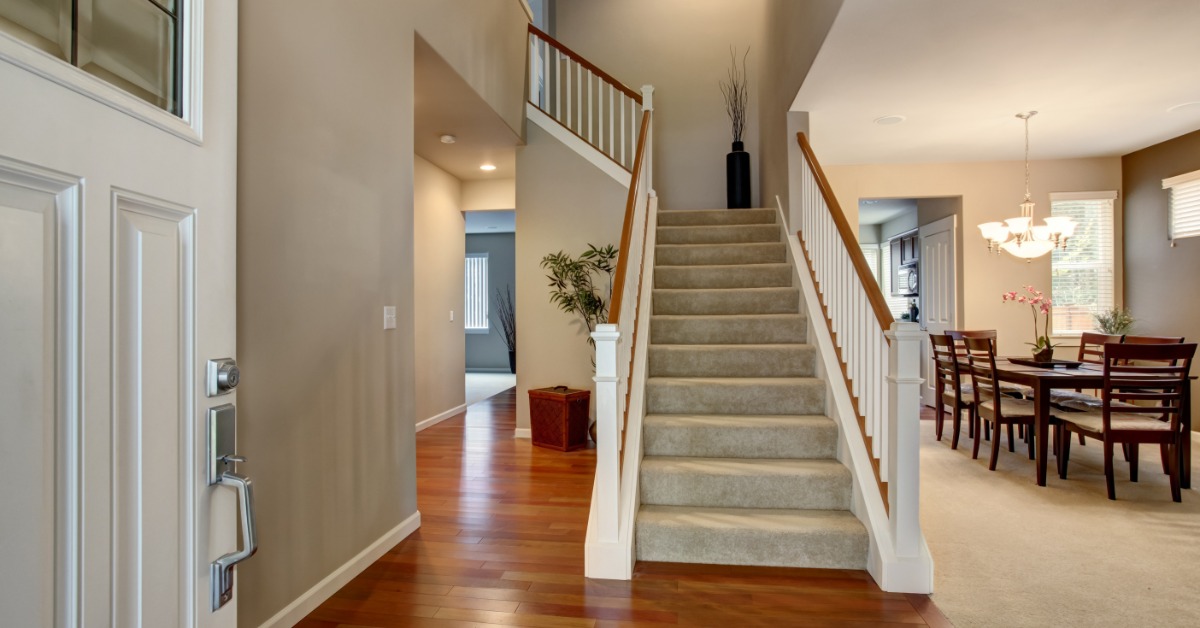
Staircases can shape how a home feels visually from the moment someone enters the space. Looking at how to choose the perfect staircase details for your home involves more than selecting decorative pieces, because proportion, material, and profile all affect the final appearance. A staircase that feels disconnected from surrounding architecture can stand out for the wrong reasons, particularly in open-concept layouts where railings remain visible from multiple rooms. Selecting details with the broader interior in mind makes the entire structure feel more intentional and visually balanced.
Start With the Style of the Home
Architectural style provides a useful starting point because staircase components that suit one type of home may feel out of place in another. Traditional interiors frequently pair well with more detailed turning patterns and layered trim profiles, while simpler homes tend to benefit from cleaner lines and restrained detailing. Matching the staircase to the character of the property creates stronger continuity throughout the space.
Profile Choices Influence Visual Weight
The shape and thickness of stair components affect how heavy or refined the staircase appears within a room. Slimmer profiles can create a lighter and more open impression, especially in smaller interiors where oversized details may feel overwhelming. In larger homes with taller ceilings, however, more substantial elements usually create better visual balance because the staircase carries more architectural presence.
Wood Species Affect Both Color and Texture
Different wood species contribute distinct grain patterns, tones, and surface characteristics that influence the staircase long after installation. Some woods present a smoother and more uniform appearance, while others introduce stronger natural variation that becomes part of the design itself. Selecting materials that coordinate with flooring, trim, or nearby millwork can create a more cohesive transition between connected spaces.
Stair Details Should Work Together
Individual components rarely stand alone, since railings, treads, posts, and trim all interact visually. Incorporating wood stair balusters that align with the scale and style of nearby features creates a more consistent appearance from top to bottom. When one element feels dramatically different from the rest, attention tends to shift toward the mismatch instead of the staircase as a whole.
Cohesion Creates a More Finished Staircase
The strongest staircase designs usually come from thoughtful coordination. Understanding how to choose the perfect staircase details for your home highlights how proportion, material selection, and profile choices contribute to a staircase that feels connected to the surrounding architecture. For homeowners planning updates, restorations, or custom projects, Mr. Spindle offers staircase components that can accommodate both traditional styling and more individualized design preferences.