
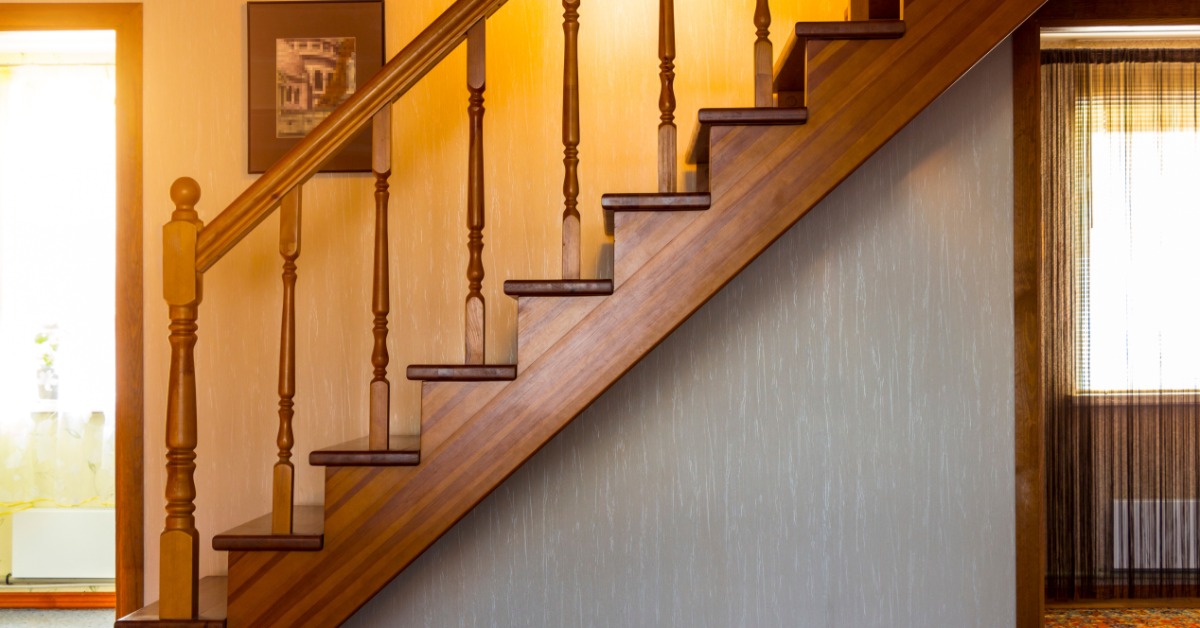
When staircases and railings feel visually balanced, the entire space tends to appear more intentional and easier to navigate. Looking at why symmetry matters in stair and railing design reveals how spacing, alignment, and repeated details shape the way people experience an entryway or staircase. Even subtle inconsistencies between posts, rails, or openings can draw attention away from the architecture itself, particularly in homes with open floor plans or traditional layouts. Because these elements extend through highly visible areas, their proportions influence the rhythm of the interior and exterior alike.
How Repetition Creates Visual Order
Repeated spacing and consistent profiles establish a sense of structure that guides the eye naturally from one section to another. When balusters, rails, and support elements follow a predictable pattern, the staircase feels more connected to the surrounding architecture rather than standing apart from it. This becomes especially noticeable in longer stair runs or expansive porches, where uneven placement can interrupt the visual flow.
Uneven Spacing Becomes More Noticeable Than Expected
Small differences between railing sections may seem minor during installation, yet they can become easier to spot once the project is complete. Uneven gaps, inconsistent post placement, or mismatched proportions can create visual tension that affects the appearance of the entire structure. In contrast, balanced layouts create a cleaner transition between architectural features, particularly when staircases connect open living areas or wrap around exterior porches.
Architectural Style Relies on Consistent Proportions
Different home styles depend on symmetry in different ways, although proportion remains a common thread across both traditional and modern designs. Colonial and Victorian homes, for example, frequently rely on evenly spaced vertical elements to maintain their formal appearance, while Craftsman-style layouts tend to emphasize clean lines and measured spacing. When railing systems ignore those architectural cues, the finished result can feel disconnected from the rest of the property, even if the materials themselves match.
Exterior Support Elements Influence Overall Balance
Symmetry extends beyond stair railings themselves, since surrounding architectural details contribute to how visitors perceive the structure as a whole. Elements, such as pressure-treated porch posts, establish vertical rhythm across a porch or entryway, reinforcing alignment between upper and lower sections of the home. When designers proportion those supports correctly alongside the railing layout, the design feels more cohesive from multiple viewing angles.
Consistency Creates a More Refined Appearance
Well-balanced stair and railing systems tend to feel calmer and more integrated into the home because each component supports the composition. Understanding why symmetry matters in stair and railing design highlights how spacing, repetition, and proportion work together to shape the finished result. For projects involving porches, staircases, or restoration work, Mr. Spindle offers architectural components that can align with both structural needs and traditional design aesthetics.