
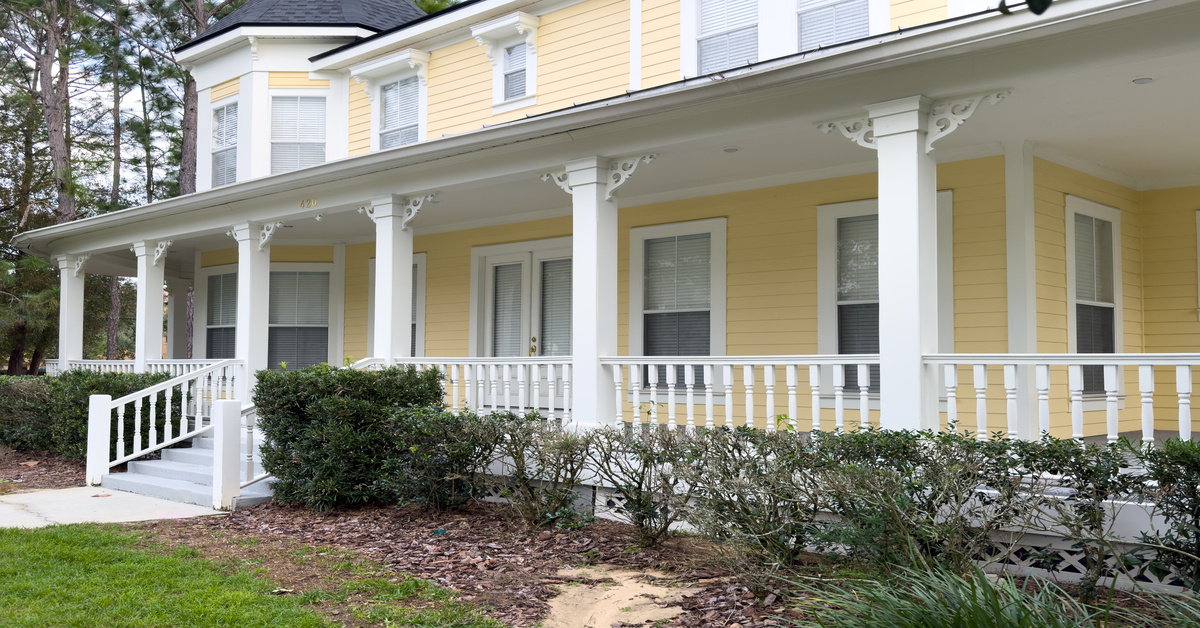
Homeowners restoring historic properties and contractors building new porches alike tend to ask the same question: what are the best wood species for porch posts? But the answer depends on climate, desired finish, maintenance expectations, and architectural style. Some woods naturally resist rotting and insects, while others stand out for their strength or paint-grade finish. Understanding the differences helps you choose the best wood that will look right and perform well for decades.
Cedar
Cedar remains one of the most trusted choices for exterior porch components, particularly in regions with moisture and seasonal temperature swings. Its natural oils resist decay and insects, which makes it a perfect option for humid summers and snowy winters.
The wood is lightweight yet stable, so it is less prone to twisting or splitting as your home ages. Cedar also takes a stain beautifully and holds paint well, giving flexibility in design.
Redwood
Redwood offers many of the same benefits as cedar, along with a rich color and striking grain pattern. Natural tannins in the wood help it resist moisture and insects, contributing to a long life when properly maintained.
Builders who want a stained finish gravitate toward redwood because of its warm, natural tone. It remains dimensionally stable, even as seasons change, which helps porch posts retain their shape and visual appeal.
Pressure-Treated Pine
Pressure-treated pine is widely used for structural porch posts because it combines strength with affordability. The treatment process infuses preservatives deep into the wood, protecting it against rot and insect damage.
Although it does not have the same natural resistance as cedar or redwood, treated pine performs well when sealed and maintained properly. It is an excellent option for painted applications and projects where structural load-bearing capacity is a priority.
Douglas Fir and Mahogany
Douglas Fir has long been used in traditional architecture because of its straight grain and structural strength. It paints exceptionally well, making it a strong candidate for historically accurate restorations.
Mahogany, on the other hand, brings refined grain and a smooth surface ideal for decorative profiles. When sealed correctly, it performs reliably outdoors while adding an elevated appearance to custom porch designs.
Choosing the Right Species for Lasting Results
When deciding what are the best wood species for porch posts, it helps to weigh appearance, durability, and how much maintenance you are prepared to handle. Each species has a place, depending on the style of the home and the conditions it faces.
Quality wood porch posts begins with the right material and precise craftsmanship. Mr. Spindle manufactures custom and standard porch posts in premium woods, with the ability to replicate historic profiles for restoration projects of any size. If you are planning a porch update or matching an existing design, contact Mr. Spindle to discuss your specifications and request a quote today.