
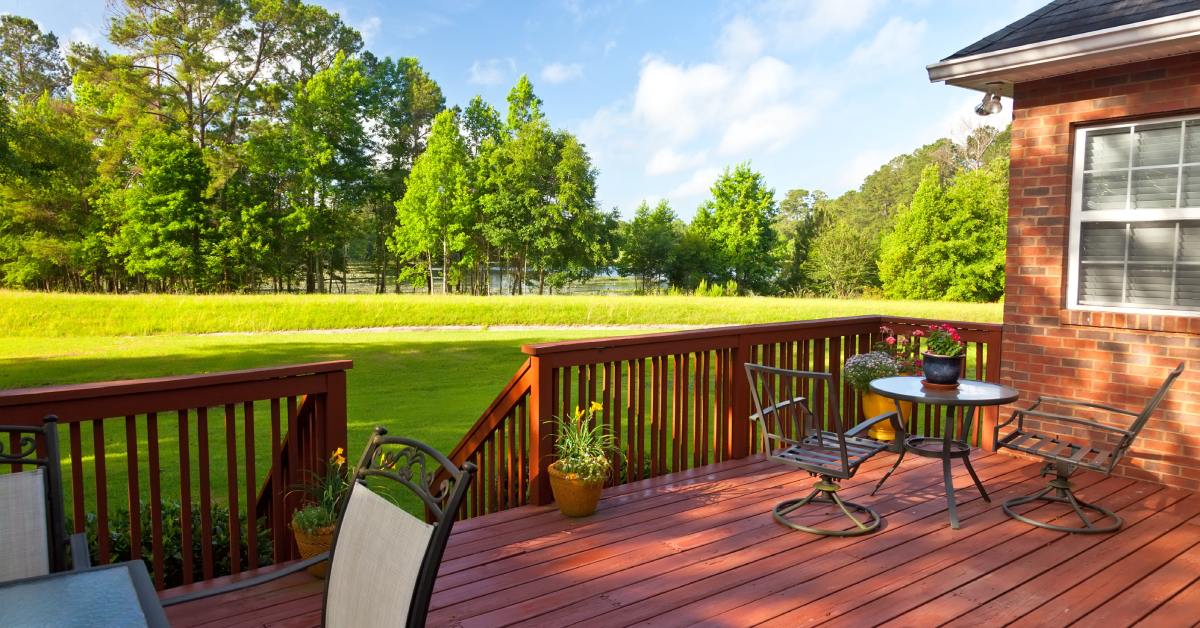
Selecting the right wood species affects both the durability and appearance of porch railings. Spindles, sometimes called balusters, create the visual rhythm of a railing system while also contributing to its structural stability. Because these components remain exposed to weather year-round, the material choice can influence maintenance requirements and long-term performance.
Questions about choosing between cedar and redwood spindles commonly arise during porch restoration or when planning a new railing installation. Both species offer natural resistance to outdoor conditions and provide a timeless, traditional architectural appeal. Understanding how these woods compare helps you make a more informed decision.
Why Wood Species Matter for Porch Spindles
Exterior railings must withstand moisture, sunlight, and temperature shifts throughout the year, and some wood species hold up better than others because of natural oils and cellular structure that help resist decay and insects. For this reason, builders evaluate durability, workability, and visual consistency when choosing materials for porch components. The right species allows spindles to maintain their strength while preserving the look expected in many porch designs.
Characteristics of Cedar Porch Spindles
Cedar is widely used in exterior construction because it contains natural oils that protect the wood from rot and insect damage. These qualities make cedar a dependable option for railing components that remain exposed to changing weather conditions.
Another advantage is its lightweight structure, which makes cedar easier to shape into decorative spindle profiles. Its warm reddish or honey tones complement traditional porch designs, and many homeowners appreciate the soft gray patina that develops as the wood ages.
What Makes Redwood Spindles Different
Redwood shares many of the durability benefits found in cedar while offering a slightly different appearance. The wood tends to have a tighter grain pattern and deeper reddish color, which creates a richer visual tone when used in railings or decorative trim. Because of its natural resistance to moisture and insects, redwood is also a long-standing choice for exterior architectural components.
Comparing Appearance and Color Variations
Visual character can influence the final decision between cedar and redwood. Cedar typically features lighter tones with subtle grain patterns that blend easily into painted or stained porch designs.
Redwood, on the other hand, displays deeper red hues that stand out when left with a natural finish. These color differences allow homeowners to match railing components with the overall style of the porch and surrounding architecture.
Choosing the Right Material for Porch Restoration
Porch restoration projects require balancing durability with historical accuracy. Many older homes were originally built with materials that reflected regional availability, so selecting a compatible wood species maintains the visual character of the structure while supporting reliable performance outdoors.
When evaluating railing components, compare cedar and redwood because both provide strength and natural resistance to outdoor exposure. A well-crafted wood porch baluster made from either material can complement traditional porch railings while providing lasting durability. Understanding the key differences between cedar and redwood spindles can guide material choices when planning repairs, updates, or full porch restorations. For your next project, review available spindle styles or custom options from Mr. Spindle to maintain the original character of your porch.