
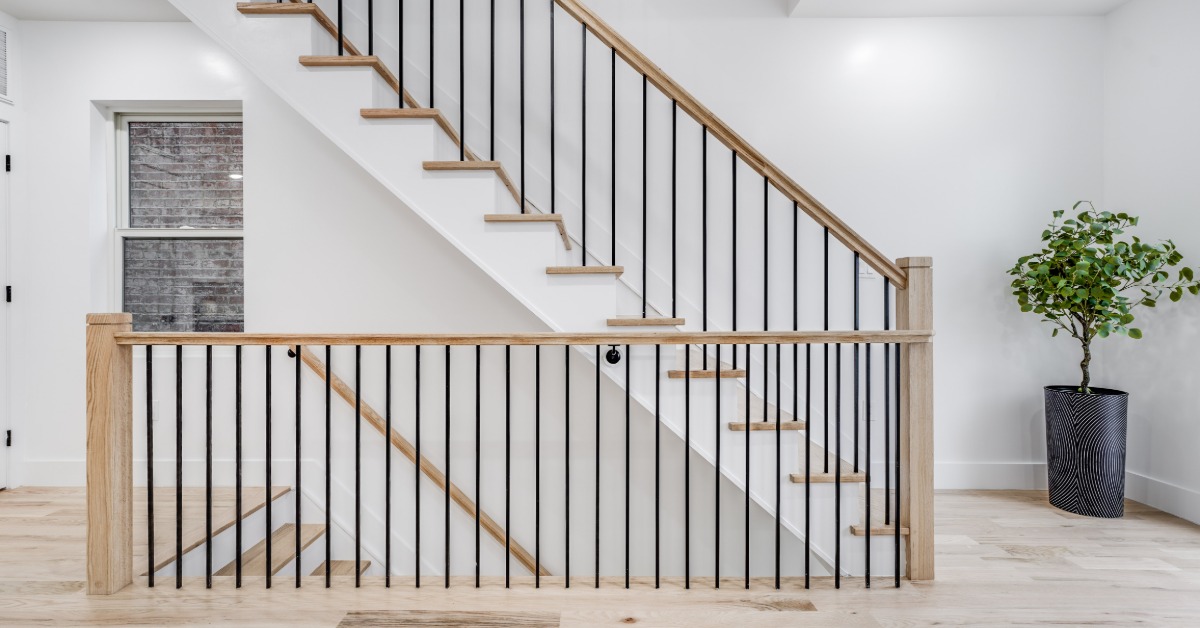
The material you choose for a stair handrail influences how the railing looks and how easily it coordinates with the surrounding staircase. Comparing metal and wood stair handrails reveals meaningful differences in design flexibility and fabrication without making either material the automatic choice for every project. Considering the staircase itself first can make those differences easier to evaluate.
Start With the Style of the Staircase
Metal handrails can support streamlined designs, while wood can complement staircases that already feature prominent woodwork. Both materials can also accommodate more decorative styles depending on the profile or fabrication method used.
Existing architectural details provide useful context when choosing between them. A handrail that relates naturally to the staircase can contribute to a more intentional finished appearance without requiring every component to use the same material.
Consider the Customization the Project Requires
Both metal and wood can accommodate custom designs, but manufacturers use different fabrication methods to produce them. Metal components may require specialized cutting or forming, while woodworking allows craftsmen to shape handrails and reproduce profiles for projects that need to coordinate with existing wood details.
When restoration work involves a staircase with an established wood profile, customization can reproduce that detail more closely and reduce the need to modify a standard component that does not match the existing design.
Look at the Complete Railing System
A handrail works alongside the other components in a railing system, so material choice should account for how those pieces relate to one another. Metal and wood can both work with different balusters and newel posts, creating opportunities to either continue an established material or introduce contrast.
Considering those connections before selecting a handrail can make the finished staircase feel more intentional. This keeps the decision grounded in the existing design rather than evaluating the handrail as an isolated feature.
Account for Maintenance Expectations
Maintenance requirements vary within both material categories, so broad comparisons can be misleading. Different metals respond differently to their environments, and protective coatings can affect the care a metal handrail requires.
Wood maintenance also depends on the material and finish selected for the project. Instead of assuming either option will require less attention, homeowners should consider the specific handrail material and where they plan to install it.
Choose a Handrail That Fits the Project
Choosing between metal and wood stair handrails depends on the staircase itself rather than a general preference for one material. The surrounding architecture can guide the initial choice, while fabrication requirements can further narrow which option suits the project.
If wood fits the architectural style and customization needs of your project, Mr. Spindle offers handrails and custom turning services for interior and exterior applications, including wood porch spindles. Contact Mr. Spindle to discuss handrail profiles or custom components for your staircase or porch.