
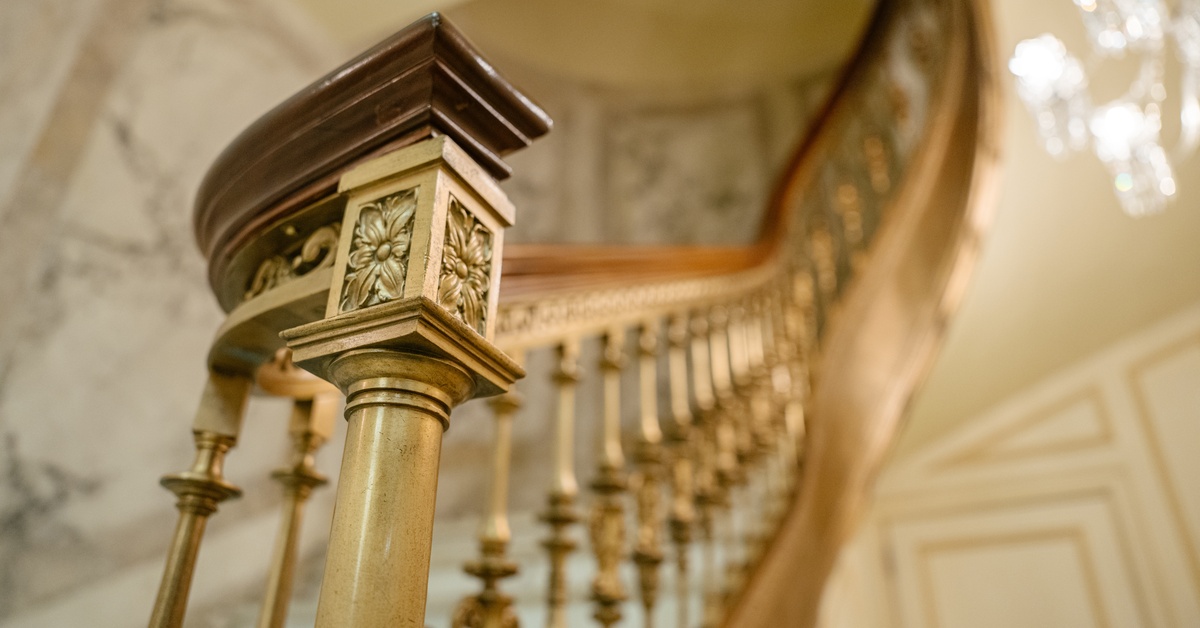
Staircases connect multiple levels while shaping how a space feels from the moment someone enters. When considering how custom millwork elevates staircase design, the focus shifts toward proportion, detail, and how each component aligns with the surrounding architecture. Standard parts may fit in basic dimensions, yet they rarely account for subtle variations in ceiling height, stair width, or adjacent trim. As a result, the staircase can feel disconnected, which becomes more noticeable in open layouts or historically influenced spaces.
Where Standard Stair Parts Fall Short
Manufacturers build off-the-shelf components around common measurements, which means they tend to prioritize convenience over precision. While that approach works for straightforward layouts, it can create gaps in visual consistency when dimensions vary even slightly. Small misalignments between rail height, tread depth, and surrounding trim can compound, leading to a staircase that feels assembled not designed.
Proportion Shapes the Entire Staircase
Scale influences how each part relates to the others, particularly when staircases serve as a focal point within the home. Wider stairs call for thicker profiles, while taller ceilings benefit from more substantial vertical elements that carry the eye upward. When designers consider proportions early, the result feels balanced, since each piece supports the overall composition instead of competing with it.
How Turned Details Add Visual Depth
Custom turning introduces variation that flat or uniform profiles cannot achieve, allowing subtle shifts in shape to create depth along the railing line. This becomes especially noticeable when light moves across the surface, highlighting curves and transitions that would otherwise remain flat. Incorporating wood balusters and spindles with custom profiles can reinforce the design direction.
Matching Stair Components to Surrounding Architecture
Consistency across adjacent elements ties the staircase into the broader interior, particularly when trim, columns, or door casings carry similar profiles. Without that connection, even well-crafted stairs may feel separate from the rest of the home. Custom millwork allows those details to align more closely, which creates a more cohesive transition between spaces.
A More Cohesive Staircase Takes Shape
A staircase begins to feel complete when its individual parts relate clearly to one another and to the surrounding structure. Looking at how custom millwork elevates staircase design highlights the difference between a system that simply functions and one that feels intentionally built into the home. For projects that require closer alignment in detail, exploring custom options through Mr. Spindle offers a way to refine those elements so the finished staircase reflects both the space and the level of craftsmanship expected.