
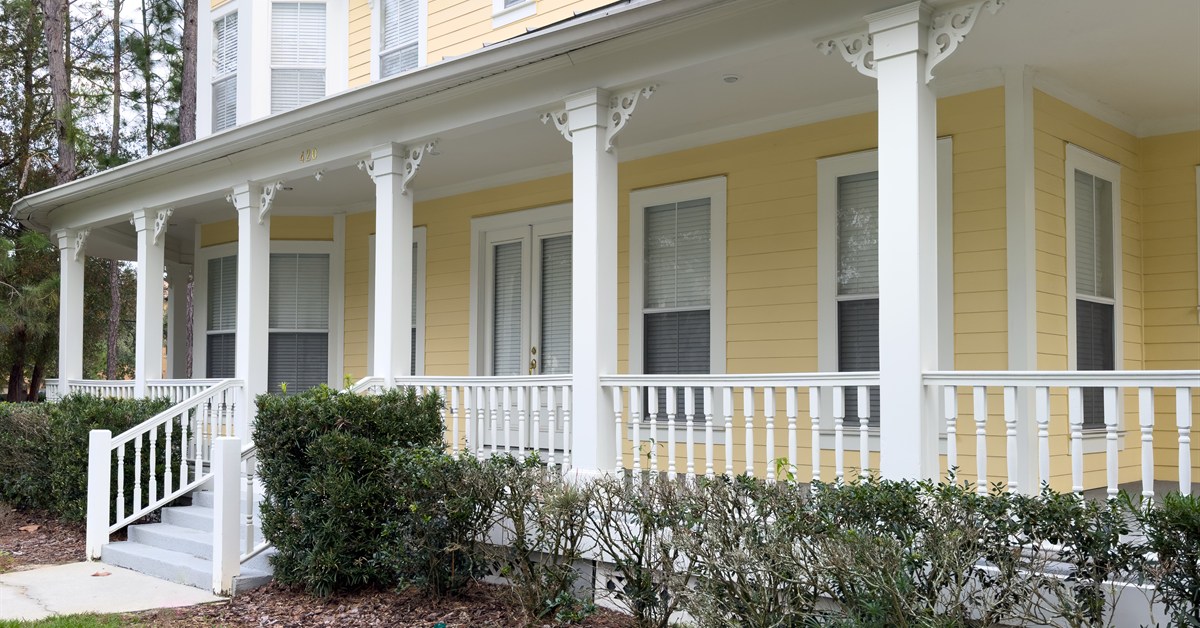
Porch posts contribute to a home’s architectural appearance, but choosing a design that complements the exterior requires more than finding an attractive shape. Differences in proportions or decorative details can make replacement posts look out of place, especially in homes with distinctive architectural features. Knowing how to match porch posts to your home architecture can guide the selection process while preserving the details that make the exterior recognizable.
1. Identify Your Home’s Architectural Style
Different architectural styles use porch posts in distinctive ways, so the home’s existing features provide a useful starting point. Victorian-style porches may feature turned posts with decorative profiles, while Craftsman homes generally favor substantial square columns with simpler detailing.
Look beyond the porch itself to identify recurring design elements throughout the exterior. Window trim or other original woodwork may reveal patterns that establish which post styles complement the home’s architecture.
2. Pay Attention To Post Proportions
Even when a porch post matches the home’s architectural style, its dimensions can affect how the entire structure looks. A narrow post may appear out of place beneath a substantial porch roof, while an oversized design can overwhelm a smaller entryway.
Consider the relationship between the post width and the scale of the porch. Existing posts can provide a useful reference, although previous alterations may make it necessary to investigate the home’s original proportions. Visual compatibility should also remain separate from structural suitability, since replacement posts must meet the porch’s support requirements.
3. Coordinate Decorative Details With Existing Woodwork
Porch posts should complement nearby architectural elements without requiring every feature to share an identical design. Decorative trim and railing components can provide clues about which post profiles belong with the home’s exterior.
For example, a porch with turned balusters may benefit from posts featuring compatible decorative details, while simpler railings may call for a more restrained profile. Paying attention to how these features relate can prevent a replacement post from introducing decorative elements that compete with the surrounding woodwork.
4. Consider Custom Options for Unusual Designs
Older homes sometimes feature porch posts with dimensions or decorative profiles that differ from modern stock products. Choosing a standard replacement solely because it fits the available space may introduce a noticeable change to the original design.
When standard options cannot accommodate those requirements, custom fabrication allows manufacturers to work from project-specific measurements and design references. A surviving post can provide information about the original profile, while photographs may identify decorative features when the original component is missing. Manufacturers can use those references to evaluate what a custom reproduction would require.
Choose Porch Posts That Complement Your Home
Finding porch posts that suit your home’s architecture starts with recognizing which original details give the exterior its distinctive appearance. Whether you’re considering pressure-treated porch posts or custom wood designs, the selection should complement the home’s existing architectural features while meeting the porch’s structural requirements.
Mr. Spindle offers wooden porch posts and custom turning services for projects requiring specific architectural profiles. If you’re replacing posts that need to coordinate with existing woodwork, contact Mr. Spindle to discuss available designs and custom options for your porch.